CI on Hardware
Automated hardware-in-the-loop CI pipeline using GitHub Actions, J-Link RTT, and board rigs to run firmware tests on real hardware with every commit.
Firmware test automation, board integration, and diagnostic evidence collection.
Built a hardware-in-the-loop CI system that runs firmware tests on actual boards instead of just simulators.
- Pipeline design: GitHub Actions triggers board flashing via J-Link, captures RTT output, and parses test results.
- Reliability features: Board health checks, automatic recovery from stuck states, and timeout handling for flaky connections.
- Impact: Caught multiple timing-related bugs that only manifested on real hardware with actual clock drift and interrupt latency.
Validation evidence model
The useful output from this kind of system is not the green badge alone. The gate is designed around artifacts that let a firmware engineer inspect what happened on the bench:
- Flash stage: records target voltage, probe serial, firmware image hash, and flashing result.
- Runtime stage: captures RTT console output with timestamped test markers and timeout boundaries.
- Recovery stage: power-cycles or resets the board before retrying so stuck peripherals do not poison later runs.
- Result stage: emits a compact pass/fail summary with the failing test name, observed output, and runner exit code.
Illustrative runner contract (an example of the evidence format, not a production test log):
flash: probe=J-Link target=nRF52 image=firmware.hex result=ok
rtt: test=boot_smoke status=pass elapsed_ms=184
rtt: test=radio_init status=pass elapsed_ms=426
rtt: test=low_power_idle status=pass current_profile=within-threshold
summary: passed=3 failed=0 timeout=0 exit_code=0
This project page intentionally keeps the example vendor-neutral because the pattern matters more than a single board family: every run must leave enough evidence to distinguish firmware regressions from bench, probe, cabling, or power-state failures.
More engineering projects
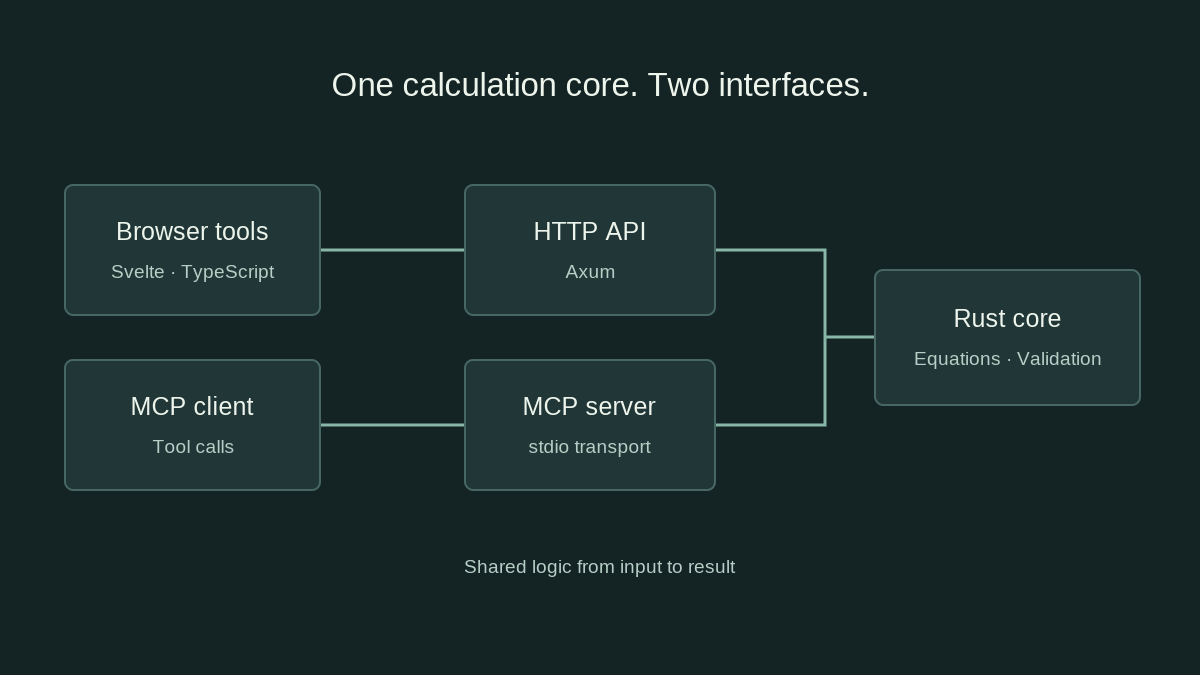
Engineering Tools & Digital CV
The website you are using: a Svelte interface, Rust calculation engine, REST API, and MCP tools sharing the same engineering logic.
Algorithmic Trading System
Transformer-assisted trading research stack combining market microstructure features, event-driven backtests, and strict risk controls to evaluate strategy robustness before paper trading.
Self-Sufficient Aquaponics System
An aquaponics automation concept connecting an interest in sustainable growing with sensing, embedded control, and practical system design.